Fit to the access path
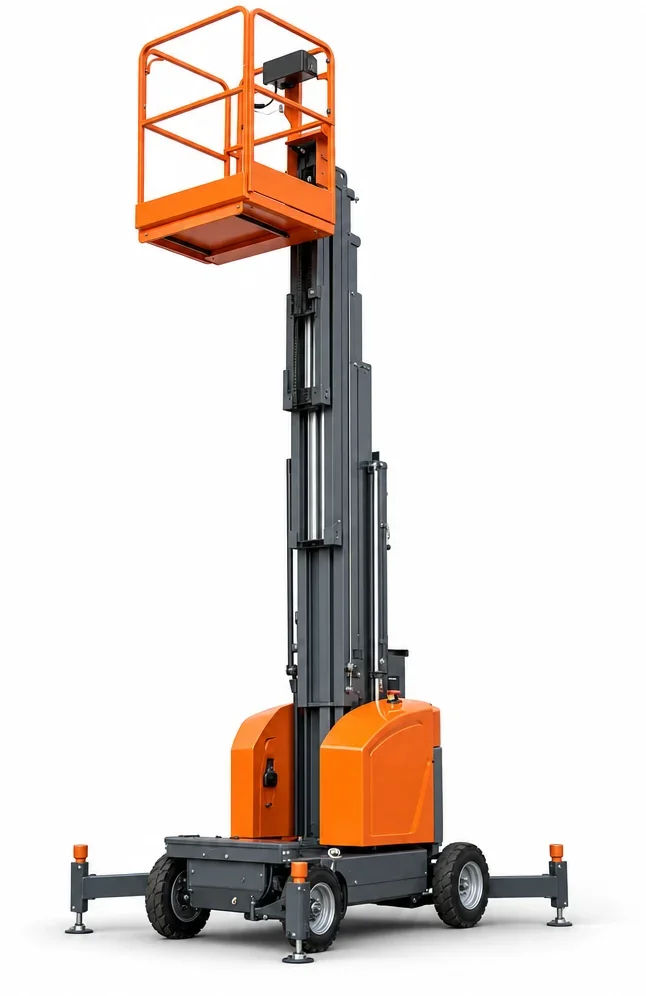
The first constraint is the route to the work: door widths, elevator cars, corridor turns, and floor loading. Vertical masts are built to pass through standard openings, but collapsed height, weight, and turning radius still decide whether they truly fit.
Minneapolis environment factors
Interior maintenance runs year-round despite outdoor weather. Winter increases equipment staging needs at building entries, while spring moisture can make dock transitions slick. Non-marking tires and close-quarters control protect finished floors in offices, retail, and atriums connected by corridors.
Height, outreach, and floor ratings
- Platform height: Match to the light fixtures, ductwork, or signage you must reach vertically.
- Outreach: Some masts include small jib or outreach capability for minor offsets, but they remain mostly vertical machines.
- Floor rating: Verify slab or mezzanine capacity along the travel path, including thresholds.
When to consider other lifts
- If you need to travel over uneven exterior ground, a /rough-terrain-scissor-lift-rental/ or /articulating-boom-lift-rental/ may be better.
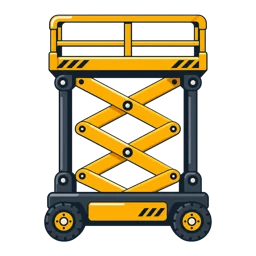
- For wider work zones along a straight ceiling line, /electric-scissor-lift-rental/ provides a larger platform.
- If the task sits behind obstacles, see /articulating-boom-lift-rental/ for up-and-over geometry.
All elevated work depends on current site conditions, the selected unit’s instructions, and facility procedures. Measure routes carefully in older buildings where door and elevator dimensions vary.