Capacity and geometry first
- Load: Determine routine pallet weight and the highest lift point in your racking or staging.
- Center of gravity: Long loads reduce effective capacity; check typical material lengths.
- Aisle width: Measure turn clearance at the tightest cross-aisle and any pinch points.
Local conditions that affect the pick
Minneapolis operations frequently move between climate-controlled interiors and exterior aprons exposed to snow and ice. Electric models dominate on slab for clean air and tight turning, while pneumatic-tire units handle rougher surfaces. During freeze-thaw, outdoor sections can become uneven, which limits mast height and speed while traveling.
Power, tires, and mast
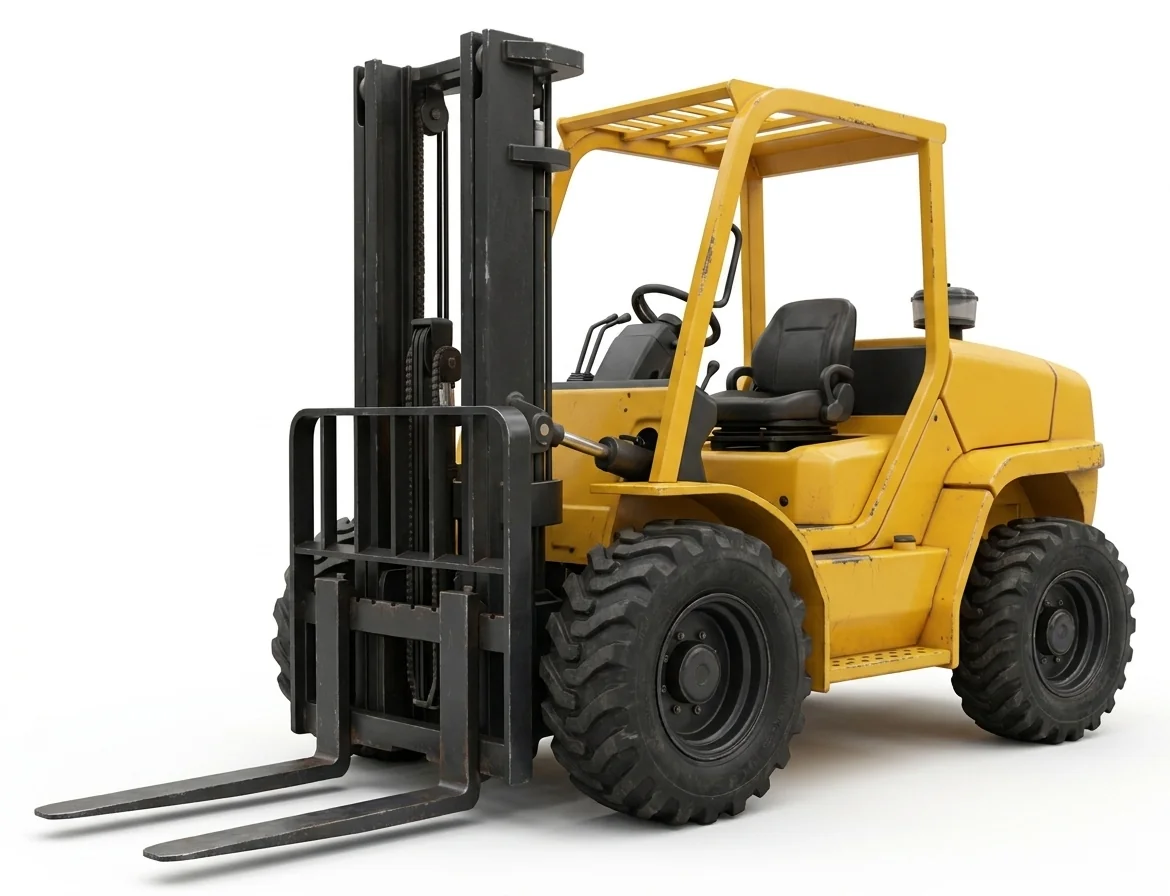
- Power: Electric for interior slab; internal combustion where ventilation and exterior travel are part of the route.
- Tires: Cushion tires for smooth floors; pneumatics for mixed or rough surfaces affected by seasonal changes.
- Mast type: Two- or three-stage masts balance free-lift needs with overall collapsed height for doorways.
When a different machine fits
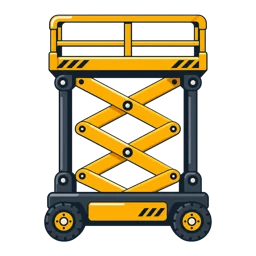
- If the work is people-up access, see /electric-scissor-lift-rental/ or /vertical-mast-lift-rental/.
- For placing materials at height across setbacks, /telehandler-rental/ outperforms forklifts.
- For exterior façade access without material handling, /boom-lift-rental/ may be appropriate.
Elevated handling and exterior travel are governed by onsite conditions, the unit’s instructions, and facility procedures. Seasonal ice, snow, and thawed patches around Minneapolis can change usable capacity on a given day.