Start with the work pattern
- How long do tools, heaters, or facilities need power overnight?
- Does lighting need to cover a static work zone, a changing path, or an access route?
- Can the machine stay in a sheltered spot, or will it sit in wind and drifting snow?
Run time and placement guide size. Extended night operations on wide pads lean toward larger fuel tanks or extended battery packs. Short, targeted tasks inside dense corridors tilt toward compact, quiet solutions with minimal exhaust and heat.
Local conditions that change the choice
Minneapolis winters challenge outdoor engines and masts. Cold-weather fluids, block heat retention, and sheltered placement help generators start consistently, while light tower masts may need consideration for icing and snow loading around outriggers. During spring thaw, expansive soils and soft top layers can create unstable footing; placing units on firm slab or well-compacted pads reduces mast lean for lighting and limits vibration for power quality.
Site geometry and access routes
- Access width and overhead clearance through docks, alleys, or skyway-connected corridors determine whether a compact enclosure or full-size towable unit can enter.
- Cable routing to tools or distribution panels should avoid vehicle paths and door thresholds. Longer cable runs increase voltage drop; the siting point matters as much as generator size.
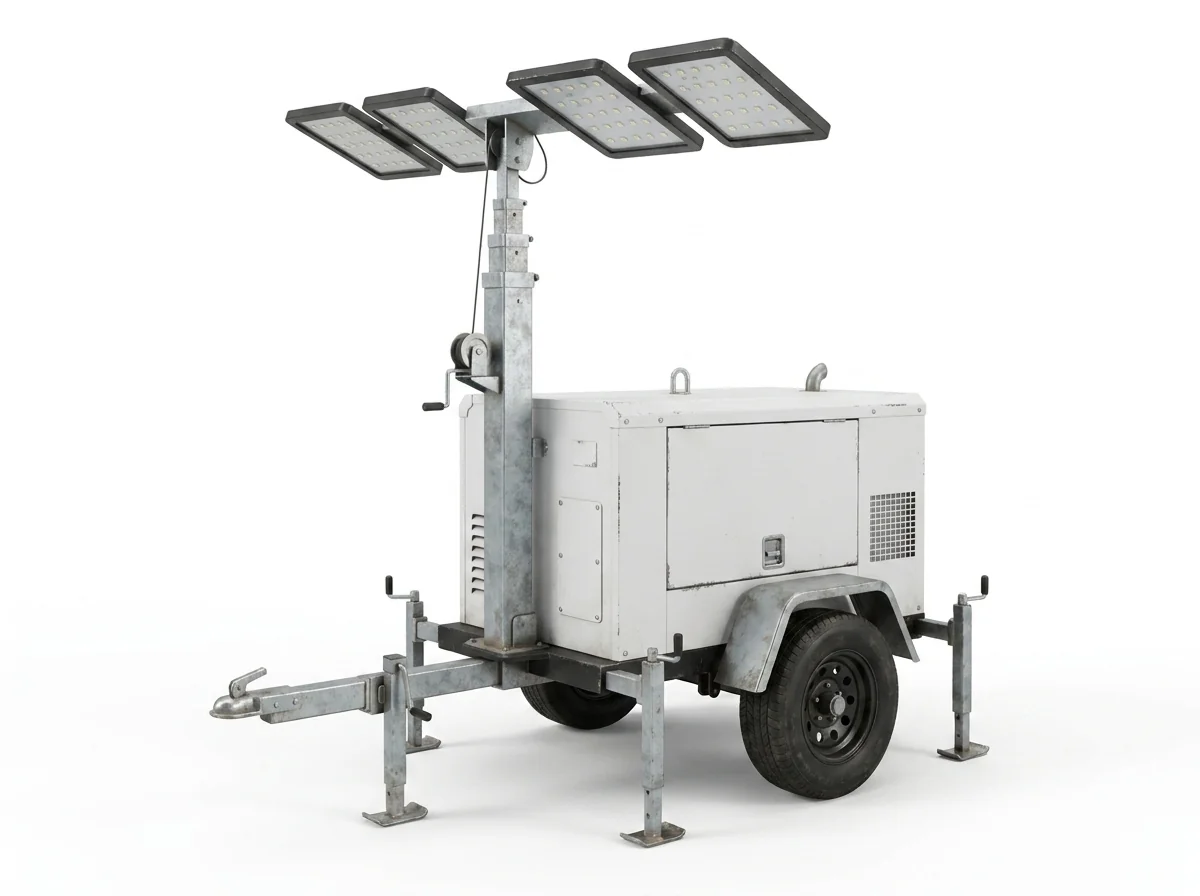
- For lighting, decide if the tower can sit below the work area or must light across obstacles. Obstructions create shadows and may require multiple smaller towers rather than one tall mast.
Surface and environmental fit
- Slab or indoor spaces favor low-emission, low-noise units and glare-controlled light heads.
- Outdoor pads and yards benefit from rough-terrain frames and larger footprints that resist settling during freeze–thaw.
- In mixed-use zones near occupied buildings, choose lighting with adjustable beam control and warmer color options to reduce glare into windows.
Coordinating with lift work
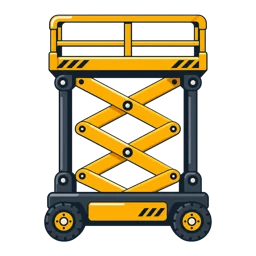
Night work around aerial equipment needs even, shadow-minimized light and stable voltage for chargers and tools. For indoor maintenance with electric scissor platforms, quiet power and non-marking placement help. For exterior facility repairs using rough-terrain scissor lifts or boom lifts, consider wind exposure and snow berms when siting towers and power.
When to split the load
If the site spreads across multiple entrances or long corridors, two smaller generators or towers can reduce cabling and shadowing. That approach also creates redundancy during long Minneapolis nights when access to refuel may be limited by weather.