Placement and approach
- Is there a straight approach path for delivery and pickup, or must the unit be maneuvered around short alleys and docks?
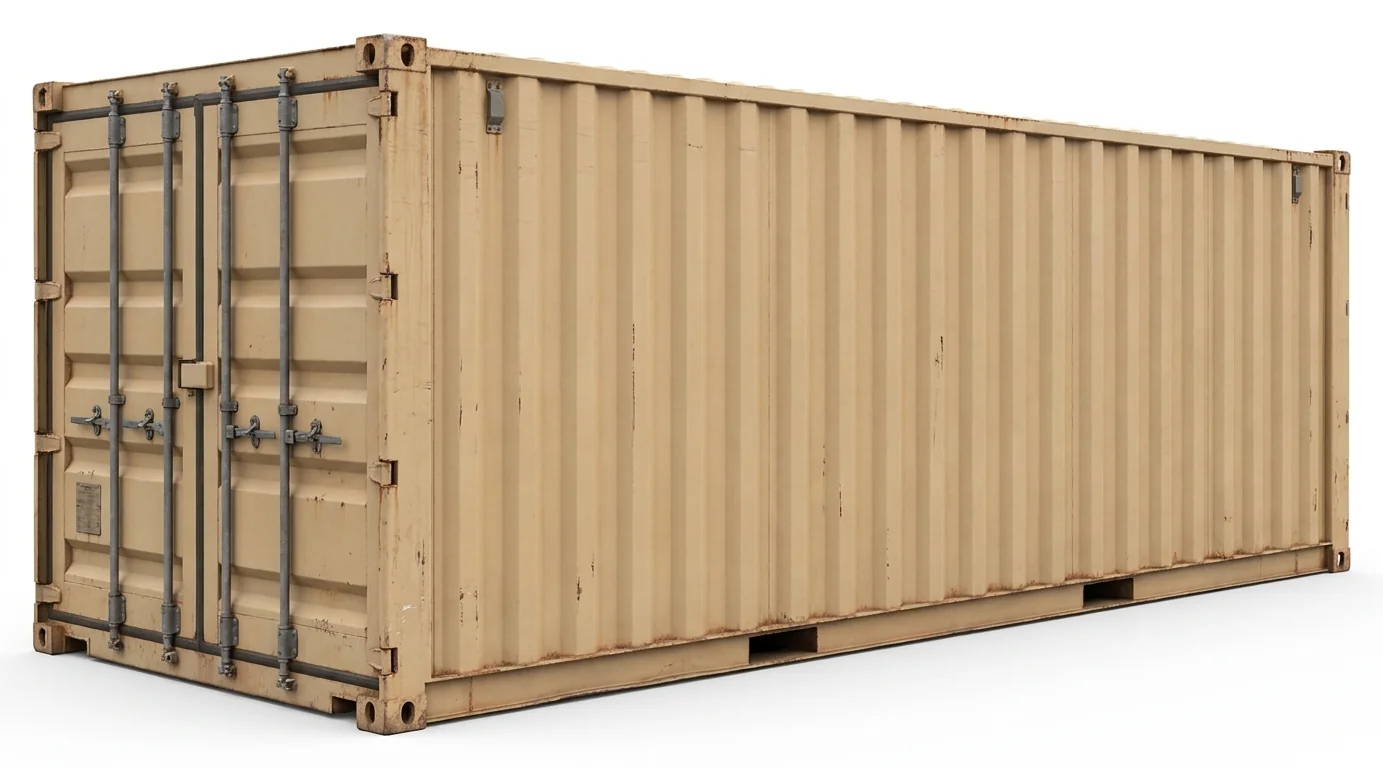
- Can the container sit below the work area with clear door swings, or is side access needed due to fences or adjacent structures?
- Will forklifts or pallet jacks approach from slab, ramp, or mixed surfaces affected by thaw?
In dense distribution yards and service corridors, door clearance often limits orientation more than footprint. Snow windrows and ice ridges can block swing and threshold height. Where winter piles persist, raised placement may help access but increases step-up heights for hand loading.
Surface and support in regional conditions
Expansive soils and seasonal transitions can shift container corners and twist frames. Firm slab or well-compacted aggregate reduces racking that binds doors. On softer ground, a broader support footprint helps distribute weight from concentrated pallet loads common in local industrial sites.
Security and visibility
Busy sites near mixed-use areas benefit from lighting and clear sightlines. If night work is expected, a nearby light tower can reduce dark zones around loading. Where indoor corridors or enclosed docks are used, choose placements that limit congestion for scissor lift and forklift traffic.
Coordinating with aerial and material handling
- For indoor maintenance using electric scissor lifts, keep container placement away from narrow turning radii and charger locations.
- For outdoor projects with telehandlers or forklifts, ensure fork access on stable ground to avoid mast tilt when picking heavy items at door height.
Duration and access pattern
Short projects tolerate tighter placements, but long winter runs favor spots that can be cleared by plows without burying doors. If frequent picks occur overnight, consider proximity to power and lighting to support safe staging.