Site geometry and crowd movement
- Are there narrow corridors where equipment and pedestrians share space?
- Do access points shift during the day, requiring modular openings for deliveries?
- Can barricades sit below the activity line without blocking sightlines for drivers?
In skyway-connected and campus-like environments, long, bending routes may be better served by shorter panel runs with frequent turns, keeping egress paths visible while guiding traffic.
Surface and stability through the seasons
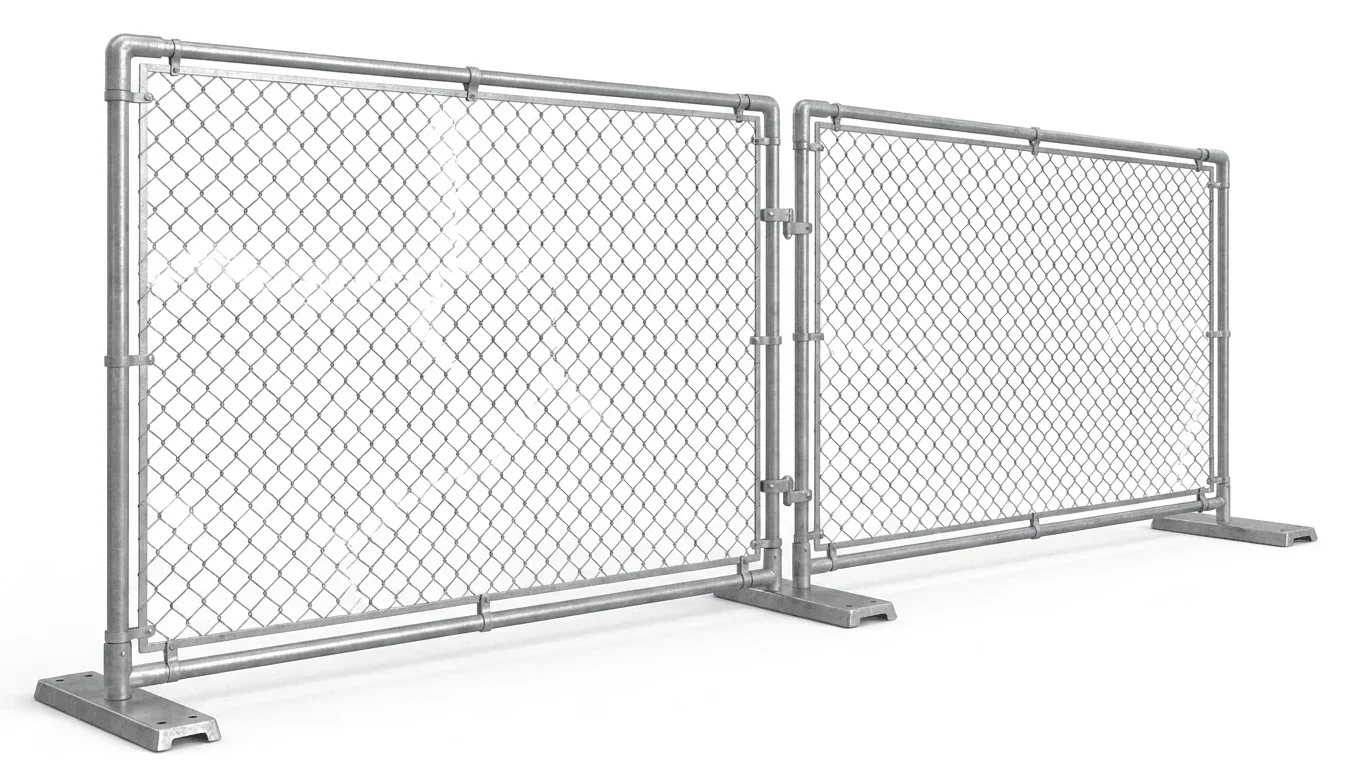
Snowpack, ice sheen, and spring soft spots challenge free-standing panels. Wider bases and added site-stability factors improve stability on slick slab and thawing soils. Where plows operate, leave setback zones so panels do not catch blades or become buried under windrows.
Visibility and lighting
Short daylight windows and night work call for reflective markings and supplemental lighting. Pairing barricade lines with nearby light towers improves driver recognition around equipment yards and loading areas.
Interference with lift operations
- Maintain turning space for articulating booms and telescopic booms where tailswing might overreach barricade lines.
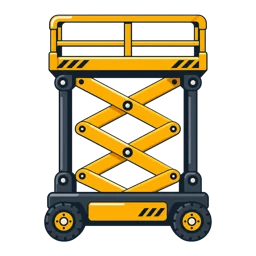
- For interior maintenance with vertical mast lifts, plan barricade widths that preserve emergency egress while isolating the work zone.
Drainage and thaw routing
Meltwater tends to follow ruts and curb lines. Placing panels to allow flow reduces undercutting and ice buildup at feet or blocks. In mixed-use sidewalks and docks, small gaps for drainage can prevent refreezing sheets across walking paths.